
Ultimate Guide to Visiting Vermont:
Tips for Your Perfect Trip
Thinking about a Vermont getaway?
You’re in the right place. Whether you're after a fall foliage road trip, a slow summer ramble through the hills, or a peaceful winter escape, this guide will help you plan a visit that feels like the real Vermont: scenic, welcoming, and full of heart.
We’re not a big tour company or a cookie-cutter guidebook. We’re locals who live here, drive these roads, know where to find the best creemees and quiet views, and love helping people experience a more personal side of the state. You’ve got good taste in destinations. We’'ll help you make the most of it!
Best Times to Visit Vermont: Seasonal Highlights
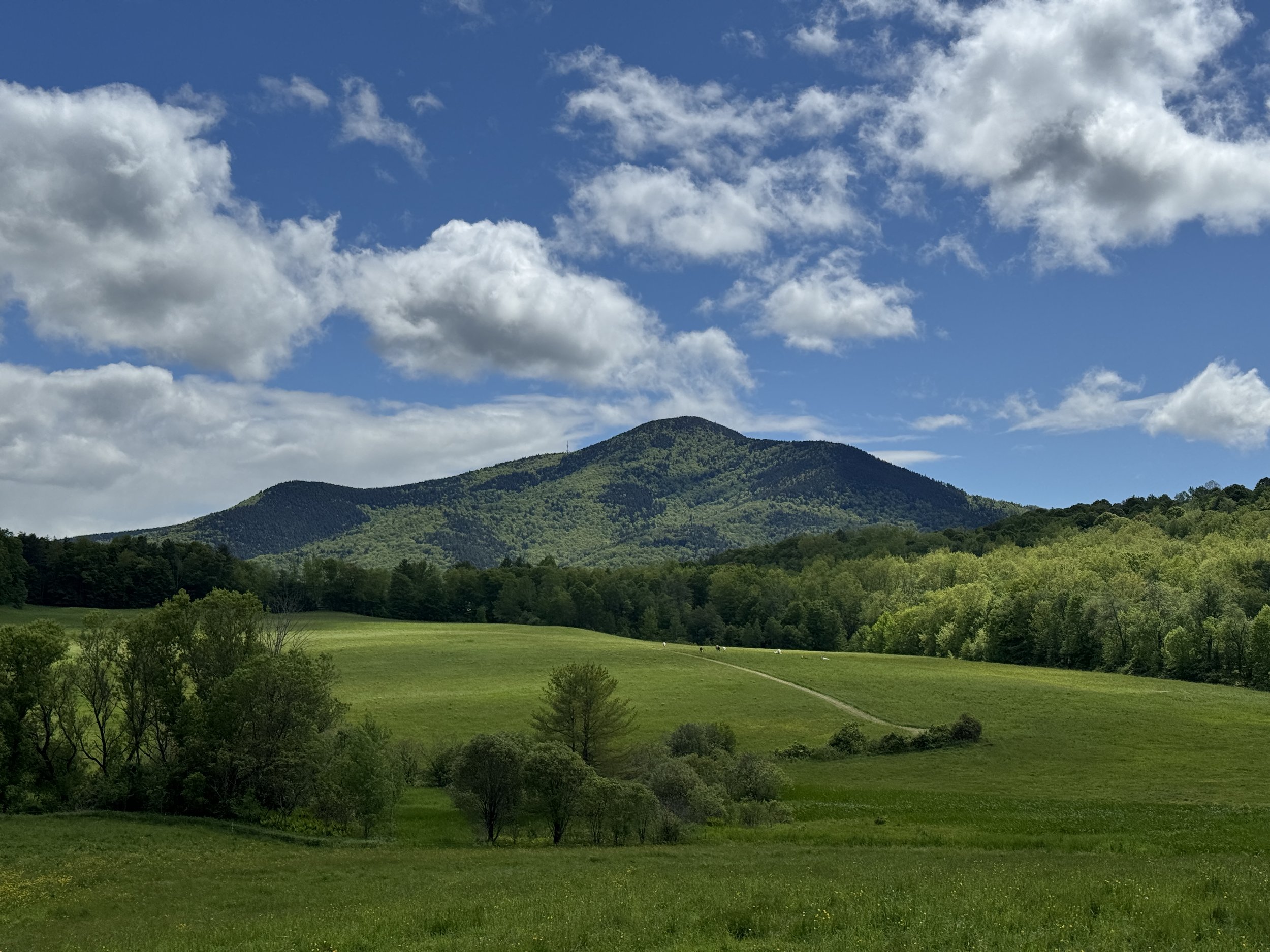
Vermont (the Green Mountain State) has a different personality in every season. The best time to visit Vermont depends on what you want most: fall foliage, snowy ski days, summer lake time, or spring’s fresh-start energy.
Spring in Vermont
Spring is Vermont waking up. Snow melts, rivers run high, and the landscape slowly turns green again. If you like hiking, bird watching, and exploring parks and gardens before the crowds show up, this is a great season.
Spring is also maple sugaring season, usually in early spring, which means you can taste fresh maple syrup straight from the source (and yes, it’s worth it).
Expect temperatures that swing from chilly to mild, sometimes in the same day. Pack layers and you’ll be fine.
Summer in Vermont
Summer is when Vermont leans hard into outdoor life. Warm days are ideal for kayaking, fishing, swimming, and camping. You’ll also find plenty of festivals and fairs, including events like the Vermont Cheesemakers Festival and the Stowe Balloon Festival.
The mountains are fully green, the lakes are the main character, and the long days make it easy to explore small towns, eat well, and stay out later than you planned.
Fall in Vermont
Fall is the headliner. Vermont fall foliage is world-famous for a reason. The landscape turns into a mix of reds, oranges, and yellows that feels almost unreal, and it draws photographers and nature lovers from everywhere.
Fall is perfect for scenic drives, apple picking, visiting cider mills, and lingering in towns that feel extra cozy this time of year. You’ll also find harvest festivals and farmers’ markets everywhere, which is Vermont’s way of saying: yes, you should take a snack break.
Winter in Vermont
Winter in Vermont is quiet, snowy, and built for people who actually like winter. This is peak season for skiing and snowboarding, with resorts across the state offering everything from beginner-friendly trails to serious terrain. Towns like Stowe, Killington, and Sugarbush become winter hubs, but there’s plenty to enjoy beyond the ski slopes.
If downhill skiing isn’t your thing, Vermont still delivers. Cross-country skiing, snowshoeing, fat biking, and winter hiking are widely accessible and often far less crowded. Frozen lakes and open fields create wide, peaceful landscapes that feel completely different from summer and fall.
Winter is also a great time for slower travel. Cozy inns, fireplaces, après-ski dining, and small-town main streets give Vermont a calm, tucked-in feel. Expect cold temperatures, snow-covered roads, and shorter days. Pack warm layers, plan extra travel time, and lean into the season instead of fighting it. Winter in Vermont rewards travelers who are prepared and unhurried.
Outdoor Activities: Exploring Vermont’s Natural Beauty
Vermont’s landscape does not mess around. Between the Green Mountains, Lake Champlain, and a web of rivers and back roads, there’s a lot to explore.
Hiking
Hiking is one of the most popular outdoor activities in Vermont, and there’s something for every level. The Long Trail runs the length of the state and delivers big Green Mountain views. If you want something shorter or more relaxed, places like Smugglers’ Notch State Park and Camel’s Hump State Park offer beautiful trails with great scenery and solid chances of spotting wildlife.
Water activities
Vermont has more water options than people expect. Lake Champlain is the biggest draw for boating, fishing, swimming, and paddleboarding. Kayaking and paddleboard rentals are easy to find in popular areas.
If fishing is your thing, the Connecticut River and the Battenkill River are well-known for fly-fishing, and anglers come from far beyond Vermont for a reason.
Winter sports
Winter turns Vermont into a snow-friendly playground. Skiing and snowboarding are the big ones, with major resorts like Stowe, Killington, and Sugarbush. Cross-country skiing and snowshoeing trails are also plentiful if you prefer quieter winter days.
For slower winter experiences, horse-drawn sleigh rides and ice skating are classic Vermont in the best way.
Navigating Vermont: Transportation Tips
Vermont is a rural state with scenic drives, winding roads, and small towns that are spaced out. Translation: planning transportation matters more here than it does in city trips.
Flying into Vermont
The largest airport is Burlington International Airport (BTV), just outside Burlington. Car rentals are readily available, and renting a car is the easiest way to explore Vermont.
There are also smaller airports like Rutland Southern Vermont Regional Airport and Lebanon Municipal Airport, but flight options and car rental availability can be more limited.
Driving in Vermont
Driving is the most convenient way to get around. Roads are generally well-maintained, and the scenery is part of the experience. Vermont Scenic Byways highlight some of the best drives, including the Green Mountain Byway and the Lake Champlain Byway.
A heads-up: many roads are winding and hilly, so build in extra travel time, especially if you’re used to straight highways.
If you’re visiting in winter, plan for snow and ice. Make sure your vehicle is equipped appropriately, including snow tires or chains depending on conditions and where you’re headed.
Public transportation
Public transportation in Vermont is limited, but not nonexistent. Green Mountain Transit (GMT) operates bus routes in the Burlington area and some nearby towns.
Amtrak also serves Vermont with the Ethan Allen Express and the Vermonter, connecting Vermont to larger cities like New York and Washington, D.C. Private shuttles and taxis exist too, but you’ll have fewer options than you would in bigger destinations.
Ride Share in Vermont
Ride share services like Uber and Lyft operate in limited areas of Vermont, primarily around Burlington and a handful of larger towns. Outside of those areas, coverage is inconsistent or nonexistent. Even where ride share is technically available, wait times can be long and availability can disappear entirely during off-hours, bad weather, or peak travel seasons.
Because Vermont is rural and spread out, ride share is not something you can depend on for full trip transportation. It may work for short hops in select areas, but it is not a reliable way to explore the state, reach trailheads, or move between towns.
If you plan to travel beyond a single town or want flexibility in your schedule, renting a car is the most practical option. Vermont is best experienced with the ability to pull over, take scenic back roads, and adjust plans as you go. Ride share simply does not support that kind of travel here.
Travel Tips for a Smooth Vermont Experience
A little prep goes a long way in Vermont, especially because weather and distance can surprise people.
Pack for the season (and the mountains)
Vermont weather shifts quickly, and temperatures can vary a lot throughout the day. Layers are the answer in pretty much every season.
comfortable, sturdy footwear is essential for hiking and walking around towns
waterproof gear helps in spring and fall
in winter, bring warm layers plus hats, gloves, and insulated boots
Book accommodations early
Vermont lodging ranges from charming bed and breakfasts to luxury resorts, plus farm stays, historic inns, vacation rentals, and campgrounds. Peak seasons fill up quickly, especially fall foliage and ski season, so booking in advance is the smart move.
Lean into local Vermont
Vermonters are generally friendly and helpful, and a quick conversation can lead to the best recommendations. Supporting local businesses like farm stands, craft breweries, and artisan shops makes your trip better and keeps those places around.
And because Vermont’s outdoors are a huge part of the draw, follow Leave No Trace principles so the state stays as beautiful as you found it.
Planning Your Perfect Vermont Getaway
Vermont’s mix of seasons, scenery, and small-town charm makes it an easy place to fall in love with. If you understand the best time to visit Vermont, pick a few outdoor activities you’re genuinely excited about, and plan transportation and lodging with a little common sense, your trip will be smooth and memorable.
Whether you come for fall foliage, winter skiing, summer lakes, or spring maple season, Vermont rewards travelers who slow down, explore a little beyond the obvious, and leave room for a few unplanned stops along the way.