
Vermont Fall Foliage Guide: When to Visit, Where to Go & How to Plan
Planning a Vermont fall foliage trip usually starts with one question: when should you come? The answer depends on elevation, location, weather, and the year. Color generally begins building in September, reaches peak in different parts of the state from late September into October, and continues later in lower elevations and southern Vermont.
This guide covers when Vermont foliage typically changes, how peak color moves through the state, where to go, scenic drives and activities, and how to plan a fall trip that still works when the weather or leaves refuse to follow your itinerary.
Vermont fall foliage at a glance
September, generally starting at higher elevations and in northern Vermont.
Late September into early or mid-October, depending on location and the year.
From higher elevations into valleys, and generally from north toward southern Vermont.
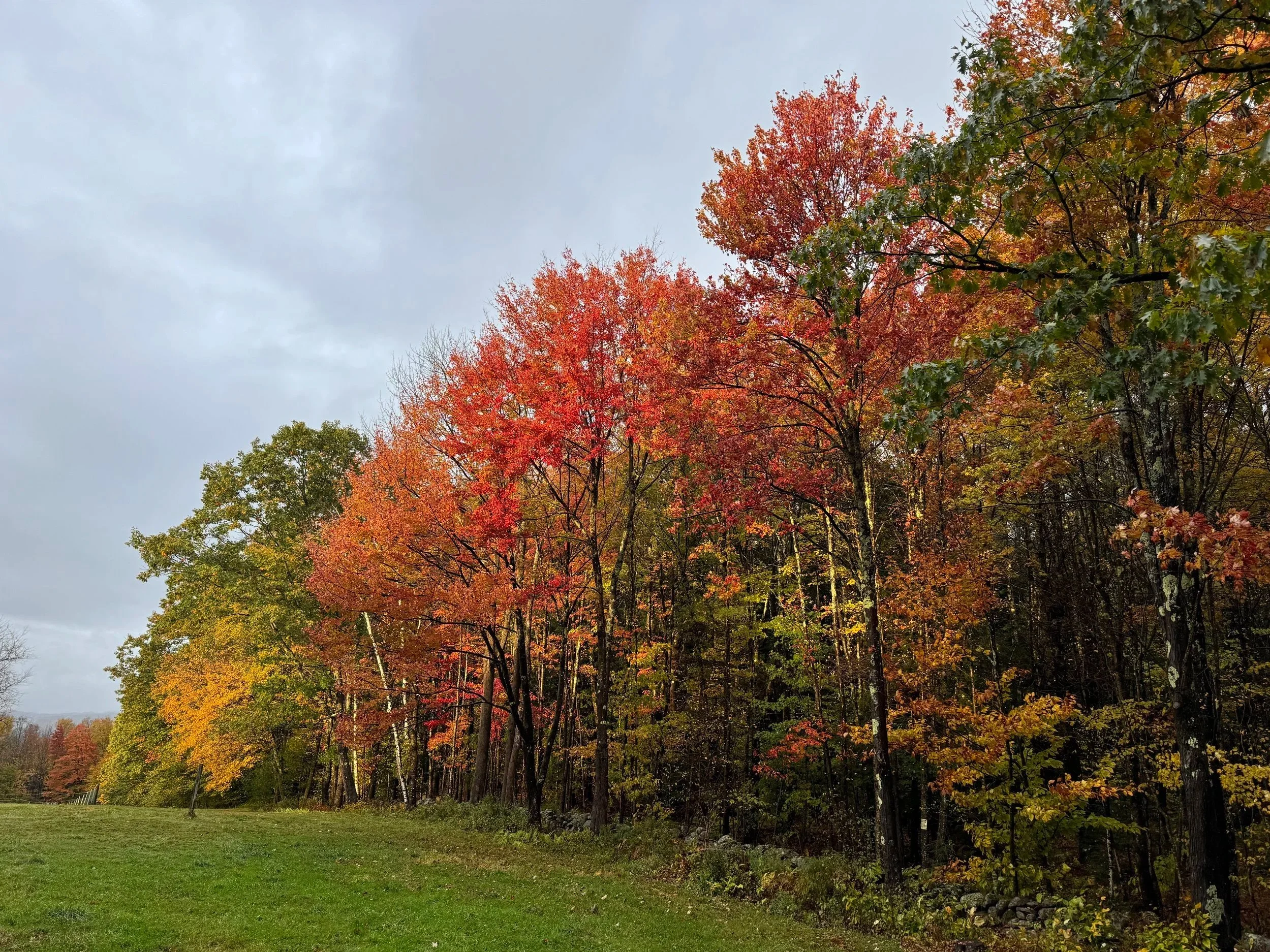
The Science Behind Vermont Fall Foliage
Fall foliage looks like magic, but it is really a predictable reaction to changing daylight and temperature.
As summer turns into fall, days get shorter and nights get cooler. Trees respond by slowing and then stopping chlorophyll production. Chlorophyll is what makes leaves look green. Once it breaks down, other pigments that were already in the leaves, or that form late in the season, become visible.
Carotenoids: yellow and orange
These pigments are present in leaves throughout the growing season, but chlorophyll usually hides them. When the green fades, yellow and orange become much more visible.
Anthocyanins: red and purple
These pigments can form when bright light and sugars are present in the leaf. Conditions vary from year to year, which is one reason Vermont maples may produce especially vivid reds one season and more muted color the next.
Vermont's mix of hardwood species creates varied, layered color across the landscape. Different species change at different times and produce different colors, which is also why the scenery can look completely different from one week to the next.
When Is the Best Time to See Fall Foliage in Vermont?
Vermont's foliage season begins developing in September and usually continues through much of October. There is no single statewide peak date. Elevation, latitude, weather, tree species, and local conditions all affect the timing.
Higher elevations often show strong color by mid- to late September. Late September into early October is commonly peak somewhere in the state, while lower valleys and southern Vermont can hold color later.
Early color
Green still dominates, with the first noticeable color beginning in cooler and higher locations.
Color builds
Higher elevations and northern areas become much more colorful.
Peak season
Strong color spreads through much of Vermont, although exact timing varies considerably by location.
Later color
Mountain peaks may be past peak while valleys and southern areas continue to show color.
A useful rule of thumb is that higher elevations and northern Vermont generally change first, followed by lower elevations and areas farther south. That progression can create several weeks of good foliage somewhere in the state even though the strongest color at any single location is much shorter.
Don't try to predict one perfect day months in advance. As your trip gets closer, check current conditions and adjust where you spend your time.
The official Vermont foliage tracker publishes updates during September and October using reports from foresters around the state.
Where to See Fall Foliage in Vermont
Good fall color can be found throughout Vermont. Where you should go depends partly on when you are visiting and what kind of day you want.
The Northeast Kingdom
If you want wide-open views, quiet roads, and a more rural feel, the Northeast Kingdom is hard to beat. Rolling hills, deep forests, and long scenic drives make this one of Vermont's classic foliage areas.
St. Johnsbury and Burke make useful bases for scenic routes, short hikes, and viewpoints. Because it is farther north, color often develops here earlier than in much of southern Vermont.
The Green Mountains
The Green Mountains run through the center of the state and deliver classic Vermont fall scenery: mountain ridgelines, colorful valleys, forest roads, and elevated viewpoints.
Green Mountain National Forest provides scenic roads and trails across a large portion of the state. Mount Mansfield and sections of the Long Trail offer larger mountain views for visitors who want to hike.
Woodstock, Killington and surrounding towns
Central Vermont is particularly useful if your dates fall near the transition between early and later foliage. Higher terrain around Killington and the Green Mountains often changes before nearby valleys, giving you several elevations to explore without crossing the state.
Woodstock is the best-known base, but the surrounding towns and back roads offer plenty of options for scenic drives, villages, covered bridges, farms, and shorter stops.
Southern Vermont
Southern Vermont generally changes later than northern and higher areas, making it useful for trips later in the foliage season.
Manchester and Bennington are popular bases, with covered bridges, historic towns, mountain scenery, and scenic roads throughout the surrounding region. The Battenkill Valley is particularly photogenic in fall.
What Affects Vermont's Fall Colors?
Vermont foliage does not operate on a fixed schedule. Weather, tree species, elevation, and location all influence when leaves change and how long they remain on the trees.
Weather
Sunny days and cool nights can favor strong color. Drought, unusual heat, an early hard freeze, heavy rain, or strong wind can affect timing, intensity, or how quickly leaves fall.
Tree species
- Sugar maples: reds and oranges
- Birches and poplars: yellows
- Oaks: deeper reds and browns later in the season
- Beeches: gold and bronze, often lingering longer
Elevation and location
Higher elevations generally change before nearby valleys, and northern Vermont generally changes before southern Vermont. The result is a moving patchwork rather than a single statewide peak.
Things to Do During Vermont Fall Foliage Season
Leaf peeping does not need to mean sitting in a line of cars staring through a windshield. Fall is one of Vermont's best seasons for combining scenic drives with hiking, towns, farms, food, and outdoor experiences.
Hiking
Hiking puts you directly under the canopy and can add elevation and broader views. Vermont has everything from short walks to major climbs.
The Long Trail, Vermont sections of the Appalachian Trail, state parks, and local trail networks offer options at many effort levels.
Seasonal experiences
- Apple picking
- Pumpkin patches
- Harvest festivals
- Farm stands and seasonal markets
- Scenic train excursions
- Mountain gondola and chairlift rides
Scenic fall drives
You can find beautiful scenery simply by driving around Vermont, but these areas are useful starting points.
Very popular
Vermont's best-known foliage drive runs north-south through mountain scenery and classic villages. It is popular for a reason, but expect heavier traffic during peak foliage weekends.
The Plymouth, Bridgewater and Killington area offers rolling hills, farms, mountain scenery and plenty of opportunities to leave the main road for smaller scenic loops.
Very popular
The seasonal mountain road through Smugglers' Notch is dramatic and especially colorful in fall. It can also be extremely busy, so timing matters.
Want the scenery without spending the day studying maps?
My private Vermont fall foliage tours are built around current conditions, traffic, weather, and the kind of day you actually want. Routes can change as the foliage changes.
Tips for Planning a Vermont Fall Foliage Trip
A little advance planning matters during foliage season. Vermont is small, but lodging, restaurants, parking, and popular roads can become surprisingly busy.
Book early
Fall is peak travel season. Lodging fills quickly, particularly on weekends and in well-known towns. If your dates and preferred area are fixed, reserve accommodations well in advance.
Build a flexible itinerary
Do not create a schedule that only works if one exact overlook is at peak on one exact afternoon. Choose a general area and several strong options, then adjust based on weather and current foliage.
Mix up the day
A good foliage day might include:
- A scenic drive with a few planned stops
- A short hike, walk, or viewpoint
- A village stop for lunch, coffee, or shopping
- A farm stand, orchard, market, or seasonal experience
Pack for changing conditions
- Layers for large temperature swings
- Comfortable footwear
- Rain protection
- Downloaded maps or directions
- Water and snacks for longer drives
Cell service is unreliable in parts of Vermont, so do not make your phone's data connection the single point of failure in your day's plan.
One of the easiest ways to improve a foliage trip: travel midweek when you can. You will see the same mountains and trees with fewer cars competing for the same roads, parking spaces, tables, and photographs.
Photography Tips for Vermont Fall Colors
Fall foliage can be surprisingly difficult to photograph well. Bright skies, deep shadows, and saturated reds can fool a phone or camera. A few simple choices help.
Use softer light
Early morning and late afternoon produce softer light and warmer tones. Overcast days are also excellent for foliage because colors remain saturated without harsh shadows.
Add something to the frame
Rivers, ponds, mountains, roads, stone walls, covered bridges, barns, or people give a photograph scale and context. Mix wide landscapes with detail shots.
Edit lightly
Small adjustments to contrast or saturation can help reproduce what your eye saw. Push the reds and oranges too far and Vermont starts to look suspiciously like a video game.
Vermont Fall Foliage FAQs
When is peak fall foliage in Vermont?
There is no single statewide peak date. Higher elevations and northern Vermont generally change first. Strong color is often widespread from late September into early or mid-October, with lower valleys and southern Vermont changing later.
Where does fall foliage start first in Vermont?
Color generally begins earlier at higher elevations and in northern Vermont. As the season progresses, stronger color tends to move into lower elevations and farther south.
Is early October guaranteed to be peak foliage?
No. Early October is historically a strong period for foliage in many parts of Vermont, but weather, elevation, location, and tree species affect the timing every year. A flexible itinerary is much safer than planning around a single predicted peak date.
How long does Vermont fall foliage last?
The statewide foliage season stretches across several weeks because color develops at different times across different elevations and regions. Peak color at one specific location is much shorter, and wind or heavy rain can bring leaves down quickly.
How can I check current Vermont foliage conditions?
Vermont publishes an official foliage tracker during September and October with reports from foresters around the state. Check it close to your travel dates rather than relying on a prediction made months earlier.
Planning Around Vermont Fall Foliage
The smartest way to plan a Vermont fall trip is not to chase one supposedly perfect peak date. Choose the right general part of the season, stay flexible, and use elevation and geography to your advantage once you arrive.
Spend part of the day driving, but get out of the car. Walk through a village, stop at a farm stand, take a short hike, sit beside a river, or follow a road simply because it looks promising. Fall is at its best when the foliage is part of the day rather than the entire assignment.